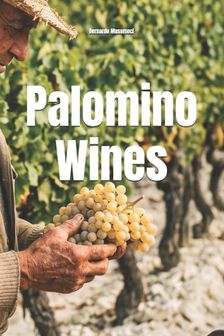
Presentation of the Palomino grape: protagonist of Jerez and Manzanilla wines.
Historical and cultural importance of Palomino in the region of Andalusia, Spain.
Grape characteristics: ampelographic aspects, vegetative cycle, oenological potential.
>Origins and History of Palomino:
History of the Palomino grape: its origins, adaptation to the Andalusian terroir.
Historical role in the production of Jerez and Manzanilla wines.
>Terroir from Palomino:
Palomino growing regions: Jerez, Sanlúcar de Barrameda and other production areas.
Influence of the Mediterranean climate and limestone soils on the typicality of wines.
The "albariza" system: characteristics and importance for Palomino cultivation.
>Ampelographic and Viticultural Aspects:
Description of the Palomino vine: leaves, bunches, berries and ampelographic characteristics.
Palomino vegetative cycle and its particularities.
Vineyard management: training systems, pruning and cultivation techniques.
>Winemaking: Methods and Techniques:
Palomino winemaking processes: pressing, fermentation and fortification.
The "solera" system: fundamental for the production of Jerez wines.
Elaboration of different styles of wine from Palomino.
>Palomino Wine Styles:
Types of Sherry: Fino, Manzanilla, Amontillado, Oloroso, Palo Cortado, Pedro Ximénez.
Sensory characteristics of each style: aromas, flavors, structure and storage potential.
>Pairing with Gastronomy:
Pairing Jerez and Manzanilla wines with regional and international cuisine.
Dish suggestions for each style of wine: tapas, seafood, cheeses, desserts.
>Palomino Market and Perspectives:
The Denomination of Origin Jerez-Xérès-Sherry: regulations and protection of wines.
Emblematic producers and labels.
>In Palomino Além de Jerez:
Palomino cultivation in other regions of the world.
Use of Palomino in the production of other types of wine: dry whites and brandies.
The potential of the grape in different terroirs.