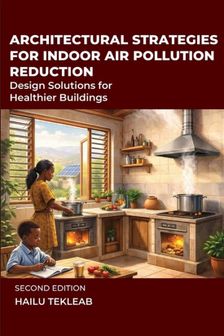
Poor building design, inadequate ventilation, inefficient cooking spaces and exposure to indoor pollutants contribute to respiratory diseases, reduce well-being and increase environmental impacts. Creating healthier buildings requires practical architectural solutions that integrate engineering, environmental science and sustainable design.
Architectural Strategies for Indoor Air Pollution Reduction provides a comprehensive and practical guide for architects, civil engineers, building designers, environmental professionals, public health practitioners, policymakers, researchers, students and development organizations seeking effective strategies to improve indoor air quality through better building design.
Inside this guidebook, you will explore about:
- Fundamentals of indoor air pollution and its health impacts
- Architectural design principles for healthier indoor environments
- Natural ventilation, cross ventilation and stack ventilation strategies
- Kitchen planning and smoke control for clean cooking environments
- Building orientation, layout and airflow optimization
- Building standards, codes and sustainable design practices
- Climate-responsive architecture and resilient building design
>Written in a clear and practical style, this guidebook bridges architecture, engineering, environmental health and sustainable construction to help readers design buildings that promote healthier indoor environments, improve occupant well-being, enhance energy efficiency and contribute to climate-resilient development.
This book is part of Renewable Energy & Emission Reduction Series Mini-Grid Project Implementation Guidebook >
Biomass Clean Cookstove Implementation Guidebook >
Sustainable Aviation Fuel (SAF) >Together, these four guidebooks provide practical knowledge for renewable energy deployment, healthy buildings, clean cooking, rural electrification, low-carbon fuels and climate change mitigation.