
English Culture: From the 18th Century to the Present Day (Hardcover) - E-boeken
We konden geen prijzen vinden voor dit productGelukkig hebben we een paar sterke alternatieven voor je gevonden, deze vind je verder op de pagina.
Vergelijkbare of betere producten
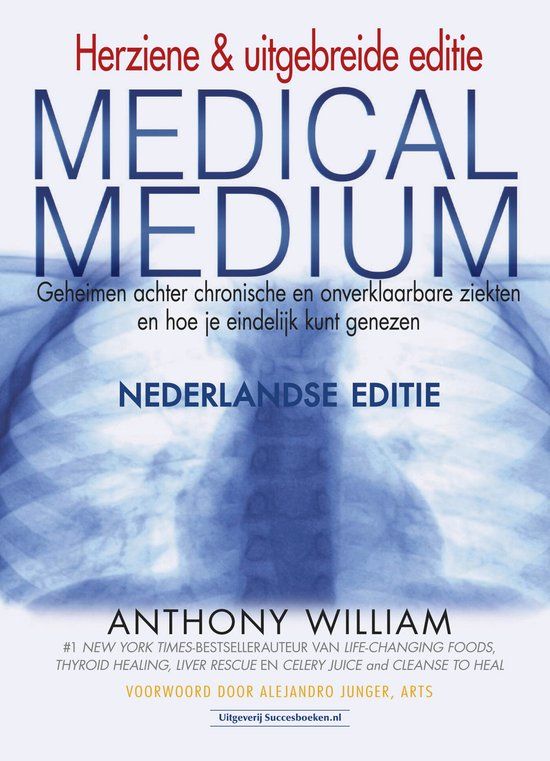
Medical Medium - Medical Medium | Hardcover | Nederlands | Anthony William
Bekijk productBekijk productv.a. € 59,50

Dungeons & Dragons: Quests from the Infinite Staircase (D&D Adventure Book) - Wizards of the Coast
Bekijk productBekijk product203 mm|2.5 cm|20.3 cm|971 g
v.a. € 45,99

Ik Prometheus Ik ben vrij | Paperback | 368 pagina's | 14 mei 2024
Bekijk productBekijk product3 cm|484 g|21.2 cm|137 mm
v.a. € 22,95
- Verpakkingsinhoud
- Verpakking hoogte
- Product breedte
- Verpakkingsgewicht
- Vanaf prijs

- -
- -
- -
- -
- v.a. € 799,00Bekijk product
- -
- -
- -
- -
- v.a. € 59,50Bekijk product
- 203 mm
- 2.5 cm
- 20.3 cm
- 971 g
- v.a. € 45,99Bekijk product
- 137 mm
- 3 cm
- -
- 484 g
- v.a. € 22,95Bekijk product
Overige kenmerken
- Verpakking breedte
- 15.6 cm
- Verpakking lengte
- 23.4 cm
- Product breedte
- 15.6 cm
- Taal handleiding
- en
- Verpakkingsinhoud
- 600 g
- Product lengte
- 23.4 cm
- Verpakkingsgewicht
- 600 g
- EAN
- 9781398118492
Productomschrijving
Jeremy Black turns his trenchant eye to the development of English culture since the eighteenth century - how does it reflect political and social conditions of the time? Here, Black looks at this question while offering an important and original account of English history.
Culture. What is it? Paintings or television? The National Gallery or Harry Styles? There is of course no one answer, no agreement. But what is clear is that culture, however defined, plays a key role as a form and content of identity, while, in turn, it is affected by changes in the patterns and pressures of identification. In Emma, Jane Austen praised Shakespeare as a touchstone of Englishness and wrote: ‘It was a sweet view – sweet to the eye and the mind. English verdure, English culture, English comfort, seen under a sun bright, without being oppressive.’ Would anyone today write the same words without irony? Professor Black charts the changes in English culture over three centuries. Turnpikes, steam engines, canals, novels, landscape gardens, Adam Smith et al were scarcely indicators of an unchanging world; but Jeremy Black points out that the early period analysed was profoundly historic. The historical bent of the years from the Glorious Revolution to the Great Reform Act could be found in thought, religion, politics, law, society, literature, art, architecture, music, sculpture, and much else, and was true at all levels of society. And history still defines England today, even in its denial or rejection, with the destruction of monuments. History was presented as moving in an inevitable direction, one of steady improvement, a teleological progressivism. Black observes that ‘In the 18th century, the public market for an explicitly English engagement with English culture and history became far stronger, in turn creating models for the future. Even if a shared inheritance, the past was interpreted to emphasise Englishness.’ Then what happened?
Culture. What is it? Paintings or television? The National Gallery or Harry Styles? There is of course no one answer, no agreement. But what is clear is that culture, however defined, plays a key role as a form and content of identity, while, in turn, it is affected by changes in the patterns and pressures of identification. In Emma, Jane Austen praised Shakespeare as a touchstone of Englishness and wrote: ‘It was a sweet view – sweet to the eye and the mind. English verdure, English culture, English comfort, seen under a sun bright, without being oppressive.’ Would anyone today write the same words without irony? Professor Black charts the changes in English culture over three centuries. Turnpikes, steam engines, canals, novels, landscape gardens, Adam Smith et al were scarcely indicators of an unchanging world; but Jeremy Black points out that the early period analysed was profoundly historic. The historical bent of the years from the Glorious Revolution to the Great Reform Act could be found in thought, religion, politics, law, society, literature, art, architecture, music, sculpture, and much else, and was true at all levels of society. And history still defines England today, even in its denial or rejection, with the destruction of monuments. History was presented as moving in an inevitable direction, one of steady improvement, a teleological progressivism. Black observes that ‘In the 18th century, the public market for an explicitly English engagement with English culture and history became far stronger, in turn creating models for the future. Even if a shared inheritance, the past was interpreted to emphasise Englishness.’ Then what happened?
Reviews
Er zijn nog geen reviews geschreven
Heb jij dit product in bezit en wil je graag je mening geven? Start dan hieronder met het schrijven van je review. Afhankelijk van de details duurt het schrijven van een review gemiddeld tussen de 3 en 10 minuten. Met jouw mening help je andere bezoekers een betere keuze te maken én maak je iedere maand kans op €250,-! Klik hier voor de actievoorwaarden.