

Andrew Melville (1545-1622): Writings, Reception, and Reputation - St Andrews Studies in Reformation History - Paperback - E-boeken

We konden geen prijzen vinden voor dit productGelukkig hebben we een paar sterke alternatieven voor je gevonden, deze vind je verder op de pagina.
Vergelijkbare of betere producten

Nintendo Yoshi and the Mysterious Book - Nintendo Switch 2
Bekijk productBekijk productPlatform|Platform|Platform|Platform
v.a. € 60,00
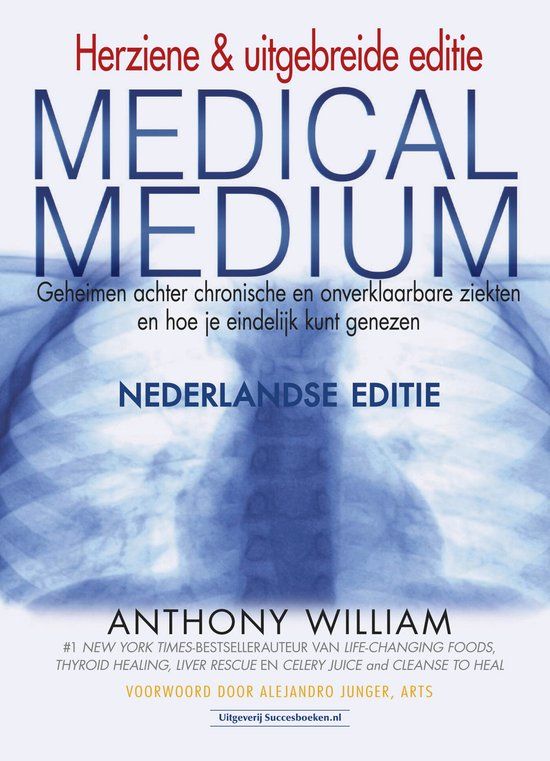
Medical Medium - Medical Medium | Hardcover | Nederlands | Anthony William
Bekijk productBekijk productv.a. € 59,50

Dungeons & Dragons: Quests from the Infinite Staircase (D&D Adventure Book) - Wizards of the Coast
Bekijk productBekijk product203 mm|2.5 cm|20.3 cm|971 g
v.a. € 45,99
- Speltype
- Speltype
- Speltype
- Speltype
- Vanaf prijs

- -
- -
- -
- -
- v.a. € 799,00Bekijk product
- Platform
- Platform
- Platform
- Platform
- v.a. € 60,00Bekijk product
Overige kenmerken
- Verpakkingsinhoud
- 594 g
- Taal handleiding
- en
- Verpakking lengte
- 23.4 cm
- Verpakking breedte
- 15.6 cm
- Product lengte
- 23.4 cm
- Product breedte
- 15.6 cm
- Verpakkingsgewicht
- 594 g
- EAN
- 9781032922140
Productomschrijving
With the exception of John Knox, no one did more to shape the Scottish Reformation than Andrew Melville. Remembered chiefly as a firebrand defender of radical Presbyterianism and reformer of the Scottish university system, his broader contributions to the cultural development of early modern Scotland - his poetry and prose - have largely been margi
Andrew Melville is chiefly remembered today as a defiant leader of radical Protestantism in Scotland, John Knox’s heir and successor, the architect of a distinctive Scottish Presbyterian kirk and a visionary reformer of the Scottish university system. While this view of Melville’s contribution to the shaping of Protestant Scotland has been criticised and revised in recent scholarship, his broader contribution to the development of the neo-Latin culture of early modern Britain has never been given the attention it deserves. Yet, as this collection shows, Melville was much more than simply a religious reformer: he was an influential member of a pan-European humanist network that valued classical learning as much as Calvinist theology. Neglect of this critical aspect of Melville’s intellectual outlook stems from the fact that almost all his surviving writings are in Latin - and much of it in verse. Melville did not pen any substantial prose treatise on theology, ecclesiology or political theory. His poetry, however, reveals his views on all these topics and offers new insights into his life and times. The main concerns of this volume, therefore, are to provide the first comprehensive listing of the range of poetry and prose attributed to Melville and to begin the process of elucidating these texts and the contexts in which they were written. While the volume contributes to an on-going process that has seen Melville’s role as an ecclesiastical politician and educational reformer challenged and diminished, it also seeks to redress the balance by opening up other dimensions of Melville’s career and intellectual life and shedding new light on the broader cultural context of Jacobean Scotland and Britain.
Andrew Melville is chiefly remembered today as a defiant leader of radical Protestantism in Scotland, John Knox’s heir and successor, the architect of a distinctive Scottish Presbyterian kirk and a visionary reformer of the Scottish university system. While this view of Melville’s contribution to the shaping of Protestant Scotland has been criticised and revised in recent scholarship, his broader contribution to the development of the neo-Latin culture of early modern Britain has never been given the attention it deserves. Yet, as this collection shows, Melville was much more than simply a religious reformer: he was an influential member of a pan-European humanist network that valued classical learning as much as Calvinist theology. Neglect of this critical aspect of Melville’s intellectual outlook stems from the fact that almost all his surviving writings are in Latin - and much of it in verse. Melville did not pen any substantial prose treatise on theology, ecclesiology or political theory. His poetry, however, reveals his views on all these topics and offers new insights into his life and times. The main concerns of this volume, therefore, are to provide the first comprehensive listing of the range of poetry and prose attributed to Melville and to begin the process of elucidating these texts and the contexts in which they were written. While the volume contributes to an on-going process that has seen Melville’s role as an ecclesiastical politician and educational reformer challenged and diminished, it also seeks to redress the balance by opening up other dimensions of Melville’s career and intellectual life and shedding new light on the broader cultural context of Jacobean Scotland and Britain.
Reviews
Er zijn nog geen reviews geschreven
Heb jij dit product in bezit en wil je graag je mening geven? Start dan hieronder met het schrijven van je review. Afhankelijk van de details duurt het schrijven van een review gemiddeld tussen de 3 en 10 minuten. Met jouw mening help je andere bezoekers een betere keuze te maken én maak je iedere maand kans op €250,-! Klik hier voor de actievoorwaarden.