
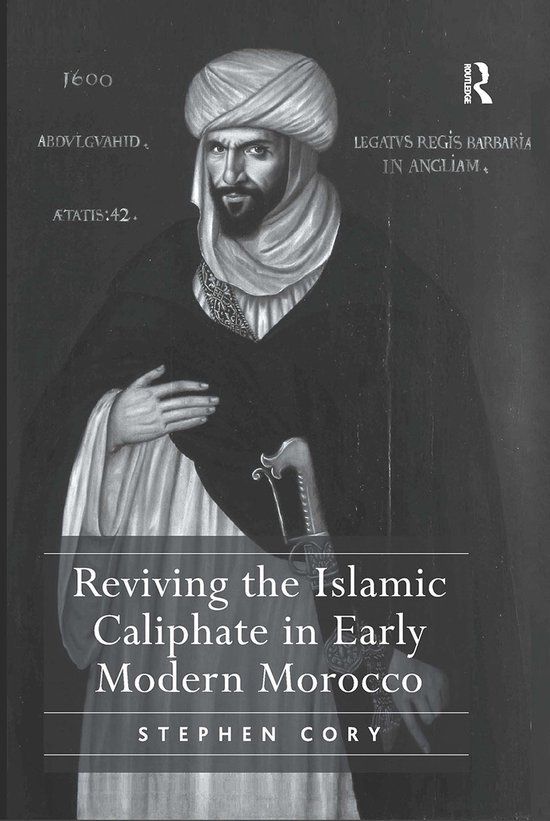
Reviving the Islamic Caliphate in Early Modern Morocco (Paperback) - E-boeken
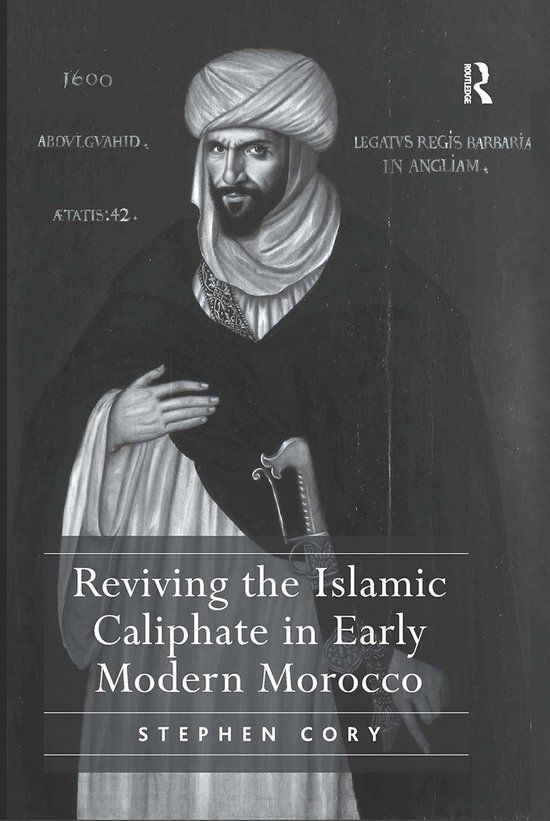
We konden geen prijzen vinden voor dit productGelukkig hebben we een paar sterke alternatieven voor je gevonden, deze vind je verder op de pagina.
Vergelijkbare of betere producten
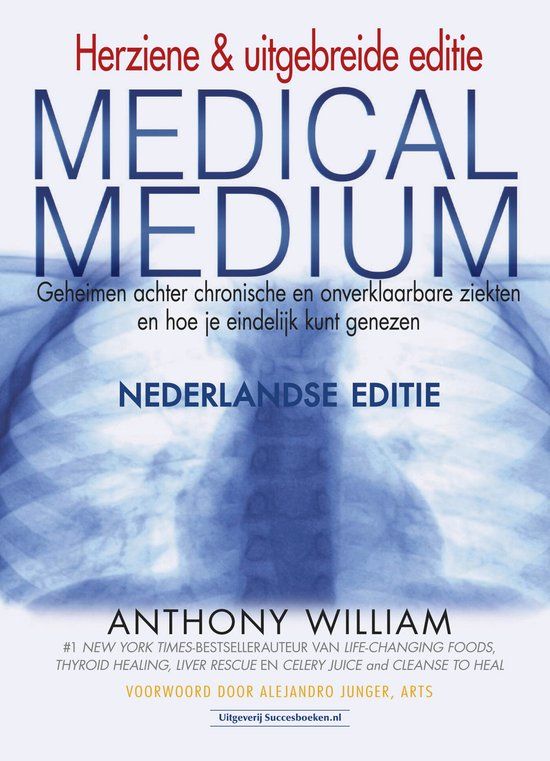
Medical Medium - Medical Medium | Hardcover | Nederlands | Anthony William
Bekijk productBekijk productv.a. € 59,50

Dungeons & Dragons: Quests from the Infinite Staircase (D&D Adventure Book) - Wizards of the Coast
Bekijk productBekijk product203 mm|2.5 cm|20.3 cm|971 g
v.a. € 45,99
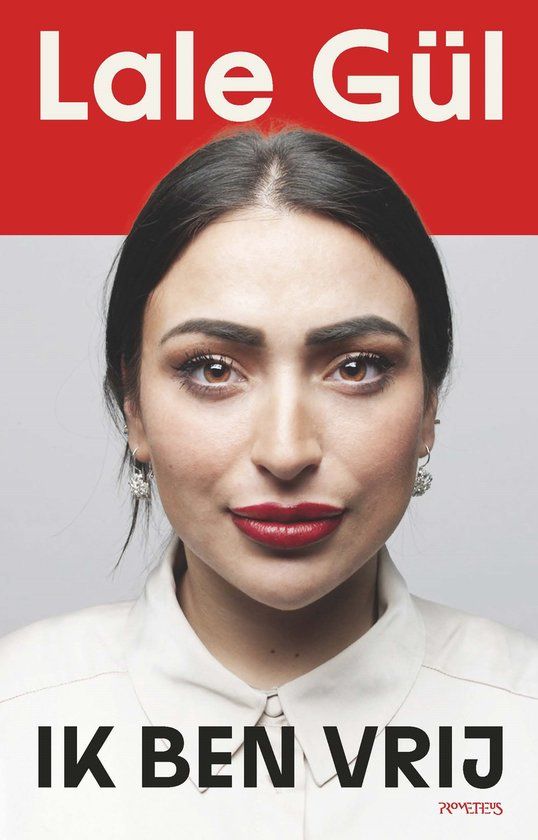
Ik Prometheus Ik ben vrij | Paperback | 368 pagina's | 14 mei 2024
Bekijk productBekijk product3 cm|484 g|21.2 cm|137 mm
v.a. € 22,95

Avonturen van een Roblox-ster (Hardcover) - Annet Jacobs
Bekijk productBekijk product22.3 cm|15.5 cm|1.3 cm|314 g
v.a. € 13,99
- Verpakkingsinhoud
- Verpakking hoogte
- Product breedte
- Verpakkingsgewicht
- Vanaf prijs
- -
- -
- -
- -
- v.a. € 59,50Bekijk product
- 203 mm
- 2.5 cm
- 20.3 cm
- 971 g
- v.a. € 45,99Bekijk product
- 137 mm
- 3 cm
- -
- 484 g
- v.a. € 22,95Bekijk product
- -
- -
- 15.5 cm
- 314 g
- v.a. € 13,99Bekijk product
Belangrijkste kenmerken
- EAN
- 9781032923192
Productomschrijving
Historians have long grappled with the question of how Islamic civilization - so clearly dominant during the medieval period - could fall completely under Western hegemony in the modern age? Many Western writers answer this question by referencing European ingenuity, initiative, and transformative energy in contrast with Islamic parochialism, passi
Historians have long grappled with the question of how Islamic civilization - so clearly dominant during the medieval period - could fall completely under Western hegemony in the modern age? Many Western writers answer this question by referencing European ingenuity, initiative, and transformative energy in contrast with Islamic parochialism, passivity, and resistance to change. This book challenges such assumptions by studying the career of an aggressive sultan in early-modern Morocco, Mulay Ahmad al-Mansur (r. 1578-1603), who dared to take on the international super-powers of his day and sought to redraw the map of Islamic Africa. Al-Mansur is best known for launching a bold invasion across the Sahara desert to conquer the West African Songhay Empire. Most historians ascribe strictly economic motives for this assault, stating that the sultan wished to capture the prosperous gold trade that had traveled for centuries from West Africa to the Mediterranean. Dr Cory argues instead that Mulay Ahmad was pursuing more expansive goals than simply stuffing his coffers with West African gold, as evidenced by audacious claims made on his behalf in numerous panegyric texts produced by the sultan's court. Through a detailed analysis of official histories, documents and correspondence, writings by European observers, and architectural evidence, he contends that the sultan sought to establish a Western caliphate that would eclipse the Ottoman Empire. Mulay Ahmad advanced this agenda through panegyric literature, elaborate court ceremonies, grand constructions, stunning military conquests, and astute diplomacy with European powers, Ottoman officials, and sub-Saharan rulers. Such assertions of universal caliphal authority had not been seriously promoted in Islam for over three hundred years before al-Mansur's reign. Thus al-Mansur sought to move his country forward into the modern age by returning to an institution that had governed Muslim lands during the fabled golden age of the Abbasid and Andalusian Umayyad caliphates. Through an investigation of the sultan's ambitions and achievements Dr Cory provides new insight into the history of relations between Muslim states and the West.
Historians have long grappled with the question of how Islamic civilization - so clearly dominant during the medieval period - could fall completely under Western hegemony in the modern age? Many Western writers answer this question by referencing European ingenuity, initiative, and transformative energy in contrast with Islamic parochialism, passivity, and resistance to change. This book challenges such assumptions by studying the career of an aggressive sultan in early-modern Morocco, Mulay Ahmad al-Mansur (r. 1578-1603), who dared to take on the international super-powers of his day and sought to redraw the map of Islamic Africa. Al-Mansur is best known for launching a bold invasion across the Sahara desert to conquer the West African Songhay Empire. Most historians ascribe strictly economic motives for this assault, stating that the sultan wished to capture the prosperous gold trade that had traveled for centuries from West Africa to the Mediterranean. Dr Cory argues instead that Mulay Ahmad was pursuing more expansive goals than simply stuffing his coffers with West African gold, as evidenced by audacious claims made on his behalf in numerous panegyric texts produced by the sultan's court. Through a detailed analysis of official histories, documents and correspondence, writings by European observers, and architectural evidence, he contends that the sultan sought to establish a Western caliphate that would eclipse the Ottoman Empire. Mulay Ahmad advanced this agenda through panegyric literature, elaborate court ceremonies, grand constructions, stunning military conquests, and astute diplomacy with European powers, Ottoman officials, and sub-Saharan rulers. Such assertions of universal caliphal authority had not been seriously promoted in Islam for over three hundred years before al-Mansur's reign. Thus al-Mansur sought to move his country forward into the modern age by returning to an institution that had governed Muslim lands during the fabled golden age of the Abbasid and Andalusian Umayyad caliphates. Through an investigation of the sultan's ambitions and achievements Dr Cory provides new insight into the history of relations between Muslim states and the West.
Reviews
Er zijn nog geen reviews geschreven
Heb jij dit product in bezit en wil je graag je mening geven? Start dan hieronder met het schrijven van je review. Afhankelijk van de details duurt het schrijven van een review gemiddeld tussen de 3 en 10 minuten. Met jouw mening help je andere bezoekers een betere keuze te maken én maak je iedere maand kans op €250,-! Klik hier voor de actievoorwaarden.